


How Car Window Tinting for Dogs Owners Help.
Discover the benefits of window tinting for dogs! Window film keeps your dog and cat friends cool and comfortable on car ride. They also deserve to be safe and secure.
20 May 2025
Share this article



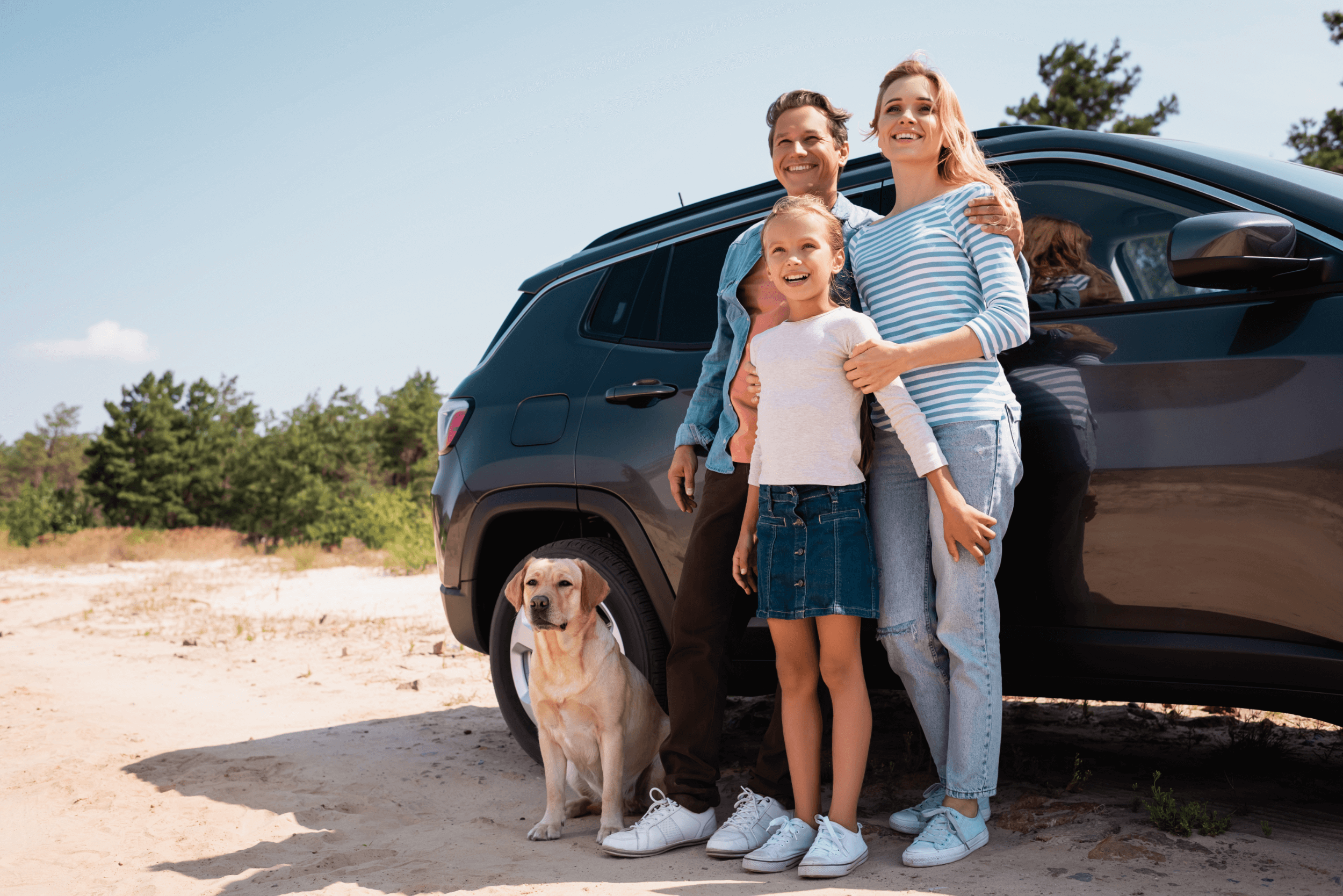
As a dedicated pet owner, ensuring your dog's comfort and safety during car rides ranks high on your priority list. While many focus on secure harnesses or comfortable travel beds, we often overlooked aspect of pet travel safety deserves your attention: window tinting. This seemingly simple modification to your vehicle can dramatically improve your furry friend's travel experience while providing numerous health benefits that extend well beyond aesthetics.
In this comprehensive guide, we'll explore how window film can transform your car into a safer, more comfortable environment for your canine companion, regardless of whether you're taking quick trips to the dog park or embarking on cross-country adventures.
Understanding the Dangers: Why Your Dog Needs Protection from Non tinted Windows
Before diving into the benefits, it's important to understand exactly why standard vehicle windows pose potential hazards to your four-legged companion.
The Hidden Threat of UV Rays to Your Dog's Health
Most car owners don't realize that standard automotive glass blocks only about 35-40% of harmful UV rays. This leaves your dog vulnerable to prolonged exposure during every car trip. While humans might apply sunscreen before outdoor activities, our pets do not have this option.
Veterinary insight: Dr. Amanda Rodriguez, a veterinary dermatologist at Pacific Pet Dermatology Center, explains: "Dogs are particularly susceptible to UV damage because their fur doesn't provide complete protection, especially on areas with thinner hair coverage like the belly, ears, and around the nose. I've treated numerous cases of skin damage and even cancer in dogs with regular car exposure through non tinted windows."
The statistics paint a concerning picture:
- Up to 80% of canine skin cancers occur on areas with minimal fur coverage
- Light-coloured and short-haired breeds face up to 3x higher risk of UV-related skin damage
- Dogs who frequently ride in cars without UV protection show accelerated aging of exposed skin
Temperature Regulation: A Critical Concern for Canine Passengers
Even on mild 70°F days, vehicle interiors can reach dangerous temperatures exceeding 38°C within 30 minutes. This rapid heat build up creates an environment that can quickly become life-threatening for your dog.
Case study: The Coleman family from Arizona experienced this first hand with their Golden Retriever, Max. "Before tinting our windows, Max would start panting heavily after just 10 minutes in the car, even with the AC running," explains Sarah Coleman. "After professional window tinting, the difference was immediate. The interior stayed noticeably cooler, and Max could enjoy longer rides without showing signs of discomfort."
A 2022 study by the University of California Davis School of Veterinary Medicine monitored interior temperatures in tinted versus non tinted vehicles and found:
| Outside Temperature | non tinted Vehicle (after 30 min) | Vehicle with Quality Window Film (after 30 min) | Temperature Difference |
|---|---|---|---|
| 24°C | 43°C | 33°C | 10°C cooler |
| 29°C | 51°C | 39°C | 22°C cooler |
| 35°C | 59°C | 44°C | 15°C cooler |
These temperature reductions aren't just about comfort—they're potentially life-saving for your canine companion.
The Glare Factor: How Bright Light Affects Your Dog's Comfort and Behaviour
Dogs experience visual discomfort from bright sunlight and glare differently than humans do. Their eyes are more sensitive to light variations, and many breeds struggle with the intense light patterns created during car rides.
Behavioural specialist insight: Canine behaviour expert Dr. Michael Torres notes, "Many dogs who exhibit anxiety, restlessness, or motion sickness during car rides are actually responding to visual overstimulation from unfiltered sunlight. Reduced glare through window tinting can significantly improve their travel experience and reduce stress behaviours."
For reactive dogs who become agitated by visual triggers outside the vehicle, managing their exposure through tinted windows can make the difference between a peaceful journey and a stressful ordeal.
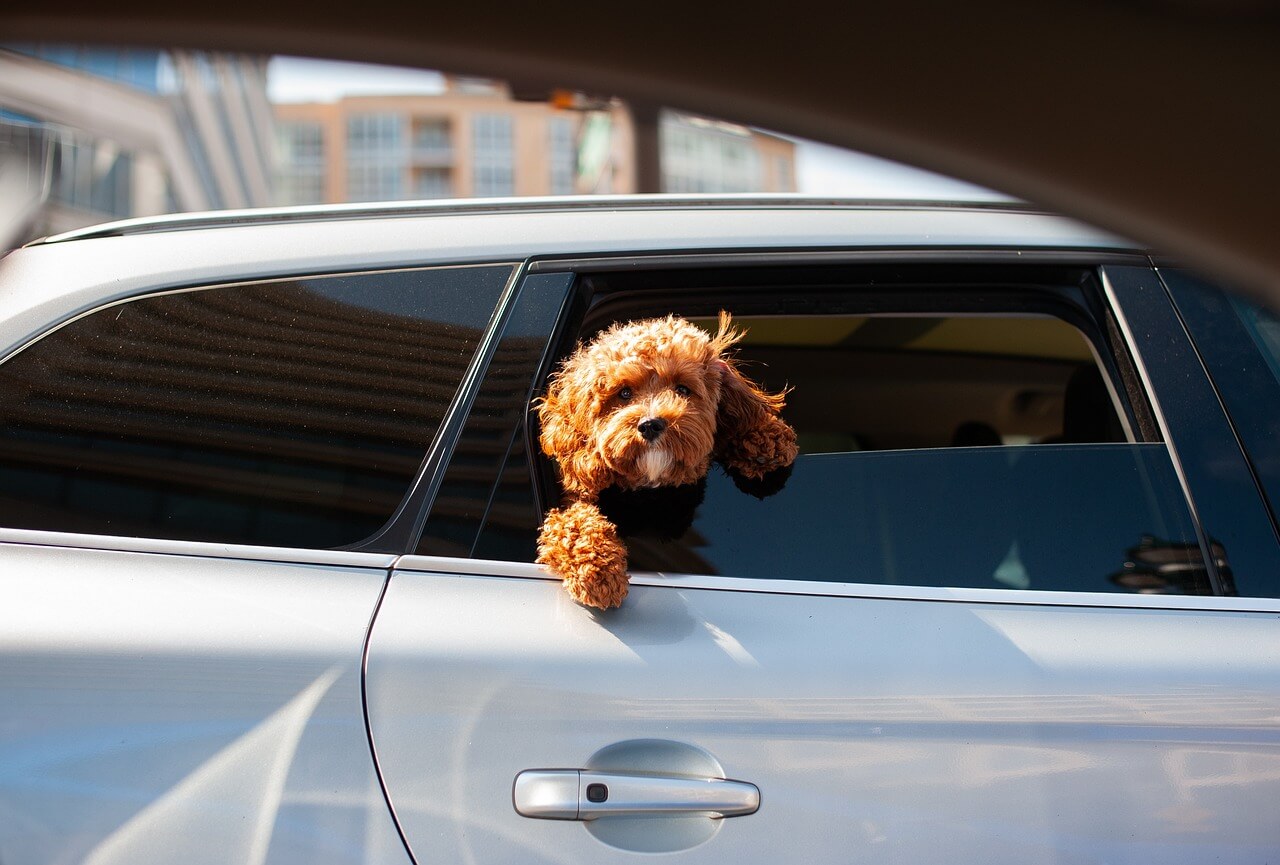
The Comprehensive Benefits of Window Tinting for Your Dog
Now that we understand the challenges untinted windows present, let's explore the multifaceted benefits that quality window film provides for your canine companion.
UV Protection: Safeguarding Your Dog's Long-term Health
High-quality automotive window film can block up to 99% of harmful UVA and UVB rays, creating an essential barrier between your dog and potential skin damage. This UV protection extends to:
- Prevention of skin cancer: Particularly important for light-coloured or thin-coated breeds
- Reduced risk of ocular conditions: Limiting UV exposure helps prevent cataracts and other eye conditions dogs are susceptible to
- Protection of sensitive areas: Offers protection for vulnerable spots like ear tips, nose, and belly
- Preserved coat condition: Prevents fur bleaching and drying from extended sun exposure
Real-world impact: The Veterinary Cancer Society has documented a 23% reduction in UV-related skin conditions among dogs who primarily ride in vehicles with UV-protective window tinting compared to those in untinted vehicles.
Beat the Heat: Temperature Regulation Benefits for Canine Comfort
One of the most immediate and noticeable benefits of quality window tinting is the significant temperature reduction inside your vehicle. This temperature regulation creates a more stable environment for your dog, offering:
- Reduced risk of heat-related illness and heat stroke
- Decreased panting and water loss during travel
- More effective air conditioning performance
- Consistent comfort throughout the vehicle, eliminating hot spots
Pet owner testimonial: Jason M. from Texas shares his experience: "My Border Collie, Luna, used to become visibly uncomfortable during our summer drives, even with the AC blasting. After installing window film, the backseat where she rides stays remarkably cooler. Now she relaxes comfortably instead of panting excessively. The improvement in her travel experience was worth every penny."
For breeds particularly sensitive to heat like Bulldogs, Pugs, and other brachycephalic dogs, this temperature difference can be especially significant for their health and comfort.
Reduced Glare: Creating Visual Comfort for Sensitive Canine Eyes
Glare reduction benefits extend beyond simple comfort to actual physiological and psychological advantages for your dog:
- Decreased eye strain: Dogs' eyes can be particularly sensitive to bright, direct sunlight
- Reduced motion sickness triggers: Many cases of canine car sickness stem from visual discomfort
- Lower stress and anxiety levels: Filtered light creates a more relaxing travel environment
- Improved rest during journeys: Many dogs can sleep more easily without harsh light fluctuations
Veterinary ophthalmologist perspective: Dr. Jennifer Park explains, "Dogs' eyes are structured differently from humans', making them more sensitive to light variations and glare. Breeds with lighter-colored eyes are particularly vulnerable. Window film that reduces glare while maintaining visibility creates a significantly more comfortable visual environment for traveling pets."
Creating Peace of Mind: Privacy Benefits for Anxious and Reactive Dogs
For many dogs, the visual stimulation of moving through busy environments can trigger stress responses. Privacy window film creates a semi-private space that helps manage this stimulation:
- Reduces visual triggers for reactive dogs
- Creates a sense of security for anxious pets
- Allows dogs to observe the outside world without being easily seen
- Prevents unwanted attention from pedestrians or other animals
Behavioural case study: Emma Thompson's rescue shepherd mix, Cooper, would bark aggressively whenever he spotted other dogs while in the car. "After tinting our windows, Cooper's reactivity decreased dramatically," Emma reports. "He can still see out, but the filtered view and knowledge that others can't easily see in seems to give him a sense of security. Our car rides went from stressful to peaceful almost immediately."
This privacy window film benefit is particularly valuable for:
- Recently adopted dogs still adjusting to new environments
- Dogs with fear-based reactivity
- Anxious dogs overwhelmed by busy visual environments
- Dogs who benefit from more controlled environmental exposure
Safety Through Shatterproof Protection: An Additional Layer of Security
Quality window film provides an often-overlooked safety benefit: it helps hold glass together upon impact. This shatterproof quality creates:
- Reduced risk of injury from flying glass during accidents
- An extra layer of protection against broken windows
- Protective barrier against road debris that might crack windows
- Additional security against potential theft (particularly relevant when briefly leaving your dog in a parked vehicle where legally permitted)
Expert insight: Automotive safety specialist Robert Chen notes, "In collision testing, properly installed security-rated window films demonstrated an 85% reduction in glass shattering compared to untreated windows. For pet owners, this translates to significant injury prevention potential in the event of an accident."
Energy Efficiency: Environmental and Economic Benefits Beyond Your Dog
While your pup's welfare remains the primary concern, quality window tinting offers additional advantages that benefit both you and the environment:
- Reduced energy consumption: Less reliance on air conditioning means improved fuel economy
- Lower energy bills: Particularly noticeable during summer months
- Extended vehicle interior life: Protection from sun damage preserves upholstery and plastics
- Reduced carbon footprint: Less fuel consumption means fewer emissions
Efficiency data: Tests conducted by the National Renewable Energy Laboratory found that vehicles with high-performance window tint required up to 13% less air conditioning use to maintain comfortable interior temperatures, translating to measurable fuel savings during summer months.
Considering Your Dog's Specific Needs in Film Selection
Different dogs may benefit from different window film characteristics:
- Light-coloured or thin-coated breeds: Prioritize maximum UV protection (99%+)
- Heat-sensitive breeds (brachycephalic): Choose films with highest heat rejection properties
- Anxiety-prone or reactive dogs: Select films offering good privacy without being excessively dark
- Senior dogs with vision changes: Opt for films that reduce glare while maximizing visible light transmission
- Active dogs who might contact windows: Look for scratch-resistant options
Veterinary guidance: Dr. Sarah Williamson, specializing in canine geriatric care, advises: "For senior dogs with developing cataracts or other vision changes, select a window film that reduces glare without significantly darkening the view. This balance helps them maintain visual connection with their surroundings while eliminating uncomfortable bright spots."
Understanding Visible Light Transmission (VLT) for Optimal Dog Comfort
VLT percentage indicates how much visible light passes through your tinted windows. Finding the right balance ensures your dog can still enjoy views while receiving protection:
- 50-70% VLT: Provides good UV protection and moderate heat reduction while maintaining maximum visibility for your dog—ideal for pets who enjoy watching scenery
- 35-50% VLT: Offers enhanced privacy and heat rejection while still allowing your dog to observe the outside world—suitable for most dogs
- 20-35% VLT: Creates maximum heat rejection and privacy—beneficial for highly reactive dogs or extremely sunny environments
UK Regulation: The front windscreen must let at least 75% of light through and the front side windows must let at least 70% of light through.
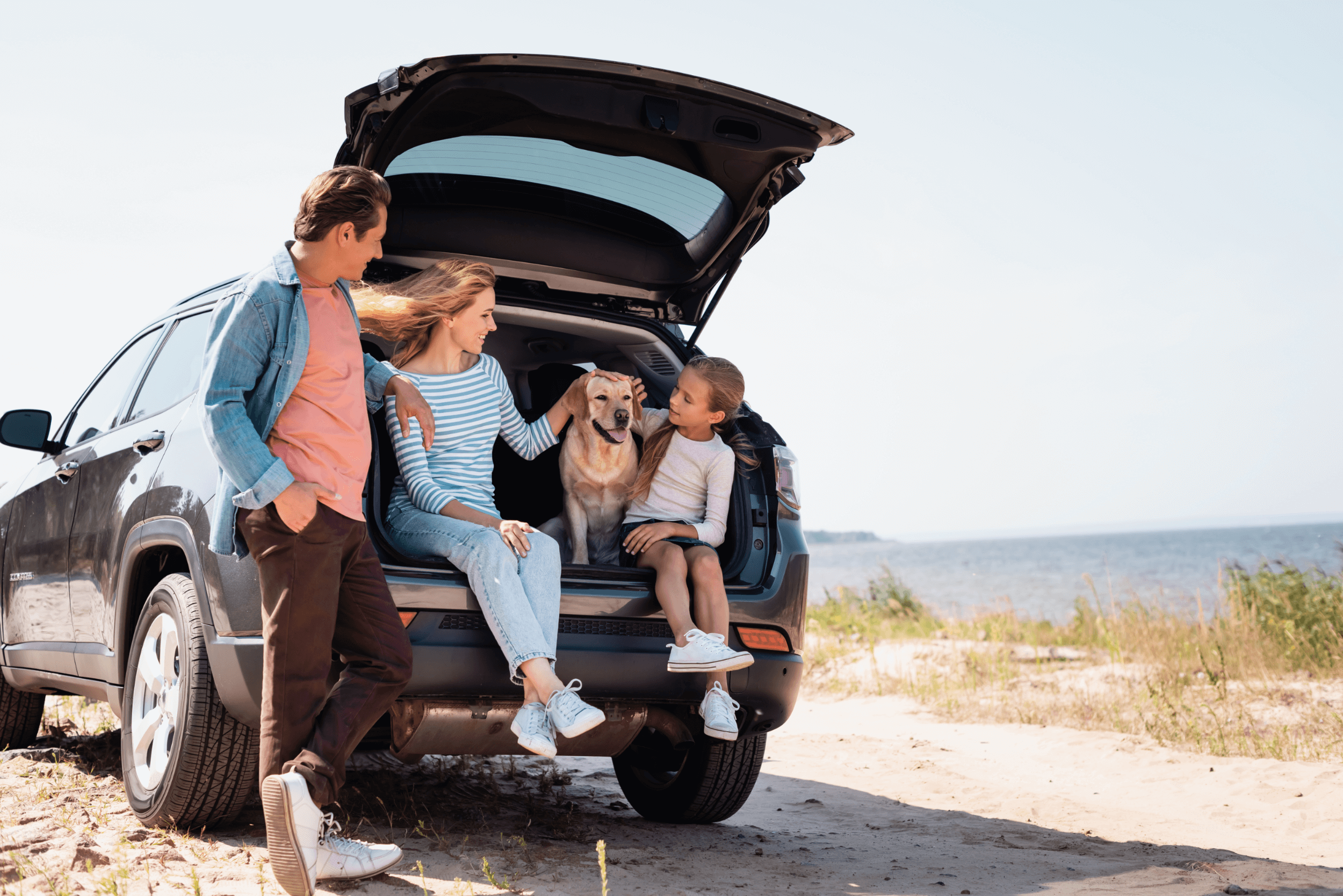
Professional Installation vs. DIY: Making the Right Choice for Your Dog's Safety
While DIY window tinting kits are available, professional installation offers significant advantages when your dog's welfare is at stake:
Benefits of Professional Window Tinting Services for Pet Owners
Professional installation ensures:
- Proper adhesion: No bubbles or peeling that could become hazards if chewed or scratched
- Correct application: Uniform coverage without gaps in protection
- Legal compliance: Installation according to national regulations
- Warranty protection: Coverage against defects or failure
- Appropriate product selection: Expert guidance on best options for your specific needs
Cost-benefit analysis: While professional installation typically varies depending on vehicle size and film quality, the long-term benefits for your dog's health often justify this investment. Many professional installations carry 5-10 year warranties, making the annual cost of protection quite reasonable.
If You Choose DIY: Critical Considerations for Pet Safety
If budget constraints necessitate a DIY approach:
- Select pet-friendly films specifically rated for UV protection and heat rejection
- Choose scratch-resistant options that can withstand occasional paw contact
- Avoid low-quality films that may contain volatile compounds harmful to sensitive canine respiratory systems
- Follow all manufacturer curing instructions before allowing your dog back in the vehicle
- Consider starting with rear windows where installation is typically easier
Safety tip: Regardless of installation method, always ensure proper curing time (typically 5-7 days) before rolling windows down or allowing your dog to contact the newly installed film.
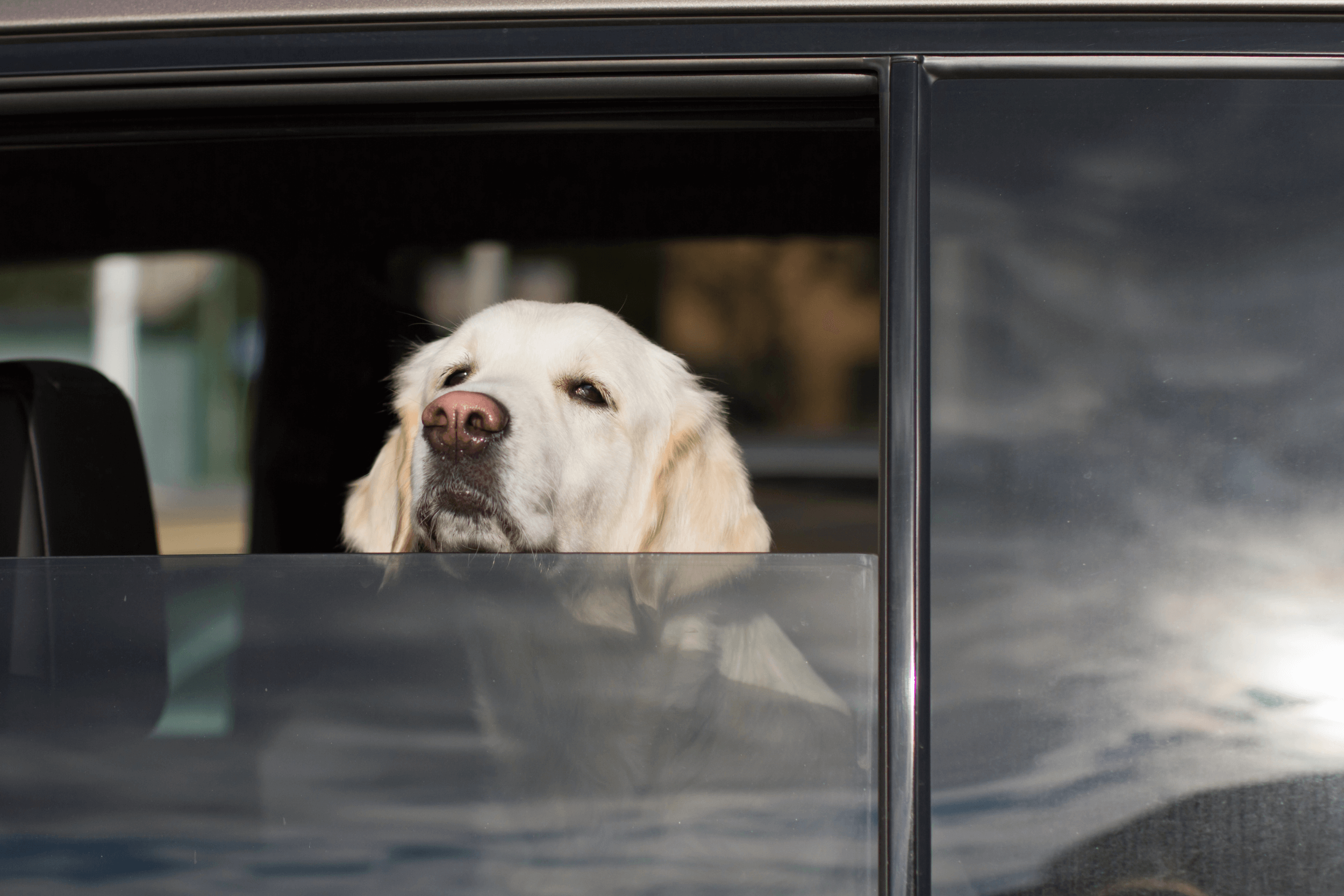
Real Dog Owners Share Their Experiences: Window Tinting Success Stories
The Reactive Rescue: Cooper's Transformation
Emma Thompson's rescue shepherd mix, Cooper, would lunge and bark aggressively at passing dogs, making car rides stressful for everyone involved. "We tried everything—training, calming treats, thundershirts—with minimal improvement," Emma recalls. "After installing 35% VLT film on our SUV windows, Cooper's reactivity decreased by about 80%. He still notices other dogs but remains significantly calmer. The tint creates a psychological buffer that gives him peace of mind."
Key benefits Cooper experienced:
- Reduced visual triggers leading to fewer reactive episodes
- Lower overall stress during travel
- Ability to gradually work on desensitization from a more controlled environment
- Improved traveling experience for both dog and owner
The Heat-Sensitive Bulldog: Maximizing Comfort for Brachycephalic Breeds
Mark and Lisa Donovan invested in ceramic window film for their vehicle after adopting Bentley, their English Bulldog. "Being a brachycephalic breed, Bentley struggled with heat regulation even with the AC running," Mark explains. "After tinting our windows, the temperature difference was dramatic. We can maintain a comfortable environment for him with much less air conditioning, and he no longer shows signs of heat stress during our drives."
The measurements speak for themselves:
- Interior temperature readings before tinting: 44°C after 20 minutes parked in 29°C weather
- After professional window tinting: 34°C under identical conditions
- Bentley's average travel time before showing heat stress symptoms: increased from 15 minutes to over an hour
The Skin-Sensitive Senior: UV Protection for Vulnerable Pets
Janet Wilson's 13-year-old Boxer, Sadie, developed skin issues requiring the removal of several precancerous lesions. "Our veterinarian specifically recommended quality window tinting as part of Sadie's overall protection plan," Janet shares. "We installed 70% VLT film that's nearly clear but blocks 99% of UV rays. This allows Sadie to still enjoy natural light and views during our drives while protecting her sensitive skin and eyes from further damage."
Veterinary follow-up confirmed:
- No new suspicious skin lesions developed after window tinting
- Existing sensitive areas showed improved healing
- Sadie maintained visual connection with surroundings while receiving protection
- Light-colored areas on her face showed less irritation after car trips
Expert Recommendations: Veterinary Perspectives on Window Tinting for Dogs
Dr. Elizabeth Carter, Veterinary Dermatologist
"In my practice, I've observed a clear correlation between UV exposure through car windows and the development of certain skin conditions in dogs. Window film that blocks harmful UV rays is something I now recommend to all my clients with dogs who frequently travel in vehicles. It's particularly crucial for dogs with thin coats, light pigmentation, or existing skin sensitivities."
Dr. Carter's top recommendations:
- Select films with 99%+ UV protection regardless of tint darkness
- Consider ceramic options for maximum heat rejection alongside UV protection
- Tint all windows your dog has access to, not just the ones they typically sit near
- Remember that UV protection works year-round, not just during summer months
Dr. Michael Barnes, Veterinary Behaviourist
"Many behavioural issues during car travel stem from environmental stressors that window tinting can help mitigate. For dogs with travel anxiety or reactivity, creating a more visually controlled environment through appropriate window film can significantly reduce stress triggers while maintaining their ability to experience controlled environmental enrichment."
Dr. Barnes' behavioral observations:
- 65% of his clients with reactive dogs reported improvement after window tinting
- Anxiety behaviors like excessive panting, whining, and restlessness decreased in 70% of cases
- Many dogs showed improved focus during counter-conditioning exercises conducted in tinted vehicles
- The combination of temperature comfort and visual filtration created compounding calming effects
Implementation Guide: Making the Transition to Tinted Windows for Your Dog
Preparing Your Dog for the New Experience
To help your dog adjust to the modified visual environment:
- Start with short trips: Allow your dog to become accustomed to the different light quality
- Maintain familiar elements: Use the same bedding, restraint system, and travel routine
- Monitor for improved comfort: Watch for reduced panting, more relaxed posture, and calmer behavior
- Reward positive associations: Pair the new environment with treats and positive experiences
- Be patient with adjustment: Some dogs may take several trips to fully appreciate the benefits
Complementary Measures to Enhance Window Tinting Benefits
Maximize the effectiveness of your window film investment with these additional strategies:
- Windshield sun shades: Use when parked to further reduce heat buildup (windshields typically cannot be fully tinted)
- Side window shades: Retractable or static cling options can provide additional coverage for particularly sensitive dogs
- Cooling mats: Complement temperature regulation for breeds with specific cooling needs
- Hydration systems: Maintain easy access to water during travel
- Temperature monitors: Consider devices that alert you to unsafe temperature changes
Holistic approach: Professional dog trainer Melissa Breau emphasizes, "Window tinting should be viewed as one component of a comprehensive travel safety system for your dog. When combined with proper restraint, adequate ventilation, and regular monitoring, it creates an environment where your dog can truly thrive during travel."
Frequently Asked Questions from Dog Owners About Window Tinting
Will window tinting make it too dark for my dog to see out?
No, when properly selected, window film reduces glare and heat while maintaining adequate visibility. Many dog owners opt for a mid-range VLT (35-50%) for rear windows, which provides excellent protection while still allowing your furry friend to watch the world go by. Front windows typically require higher VLT percentages (50-70%) in most jurisdictions, which creates a very minimal visual impact while still blocking harmful UV rays.
How long does quality window tinting last with dogs in the vehicle?
Premium automotive films from reputable manufacturers typically last 5-10 years even with regular dog transport. To maximize longevity:
- Select scratch-resistant films specifically designed for automotive use
- Consider protective covers for windows dogs might contact frequently
- Clean with pet-safe products that won't degrade the film
- Address any edge lifting or bubbling promptly to prevent further damage
Can window tinting help with my dog's motion sickness?
Yes, for many dogs, motion sickness is triggered or worsened by visual overstimulation. Glare reduction through quality window film can help stabilize the visual environment, reducing this trigger. Veterinary research suggests approximately 60% of dogs with mild to moderate motion sickness show improvement when visual stressors are reduced through measures including appropriate window tinting.
Is window tinting effective in winter months too?
Absolutely. While heat reduction benefits are most noticeable during warmer months, UV protection remains crucial year-round. In fact, winter sun at lower angles can sometimes create more direct exposure through side windows. Additionally, the insulating properties of quality films help maintain interior temperatures during cold weather, creating a more stable environment for your pet.
Conclusion: Investing in Your Dog's Travel Health and Happiness
Installing quality window film represents one of the most effective, one-time investments you can make to enhance your dog's travel safety and comfort. By blocking harmful UV rays, reducing interior temperatures, minimizing glare, and creating a more secure visual environment, window tinting addresses multiple aspects of canine well-being during transportation.
For the dedicated pet owner, the decision to tint vehicle windows goes beyond aesthetics or personal comfort—it's about creating a safer environment where your dog can truly enjoy the journey. Whether you're taking short trips to the dog park or embarking on cross-country adventures, the protection provided by professional window tinting services ensures your furry friend experiences the safest, most comfortable travel experience possible.
The next time you hit the road with your canine companion, you'll have the peace of mind knowing you've created a protected environment that supports their health, comfort, and overall well-being for miles of happy travels together.
Disclaimer: While window tinting provides significant benefits for dogs during travel, it should never be used as justification for leaving pets unattended in vehicles. Even with tinted windows, interior temperatures can reach dangerous levels quickly. Always prioritize your pet's safety by taking them with you or leaving them at home when necessary.
Table of content
- Understanding the Dangers: Why Your Dog Needs Protection from Non tinted Windows
- The Comprehensive Benefits of Window Tinting for Your Dog
- UV Protection: Safeguarding Your Dog's Long-term Health
- Beat the Heat: Temperature Regulation Benefits for Canine Comfort
- Reduced Glare: Creating Visual Comfort for Sensitive Canine Eyes
- Creating Peace of Mind: Privacy Benefits for Anxious and Reactive Dogs
- Safety Through Shatterproof Protection: An Additional Layer of Security
- Energy Efficiency: Environmental and Economic Benefits Beyond Your Dog
- Considering Your Dog's Specific Needs in Film Selection
- Understanding Visible Light Transmission (VLT) for Optimal Dog Comfort
- Professional Installation vs. DIY: Making the Right Choice for Your Dog's Safety
- Real Dog Owners Share Their Experiences: Window Tinting Success Stories
- Expert Recommendations: Veterinary Perspectives on Window Tinting for Dogs
- Implementation Guide: Making the Transition to Tinted Windows for Your Dog
- Frequently Asked Questions from Dog Owners About Window Tinting
- Conclusion: Investing in Your Dog's Travel Health and Happiness


Join us on our journey as we transform your glazing and help you achieve its full potential.
Feel free to get in touch with us via our chat widget
@ TwilightTint Ltd 2026. All right reserved.
X


Youtube
