


Blinds versus Window Film: Which work better for your home or office?
Window film or blinds? Pros and cons. Which works better for your home or office? Discover how each option affects light, privacy, and energy efficiency.
19 March 2025
Share this article




Explore the pros and cons of window film vs. blinds for your home or office. Discover how each option affects light, privacy, and energy efficiency.
When it comes to managing light, privacy, and temperature in your home or office, choosing the right window treatment can make all the difference in both comfort and costs. While traditional blinds have dominated the market for decades, window film has emerged as a compelling alternative with unique advantages. This comprehensive comparison will help you determine which option might work best for your specific needs.
Understanding Window Film versus Traditional Blinds
What is Window Film?
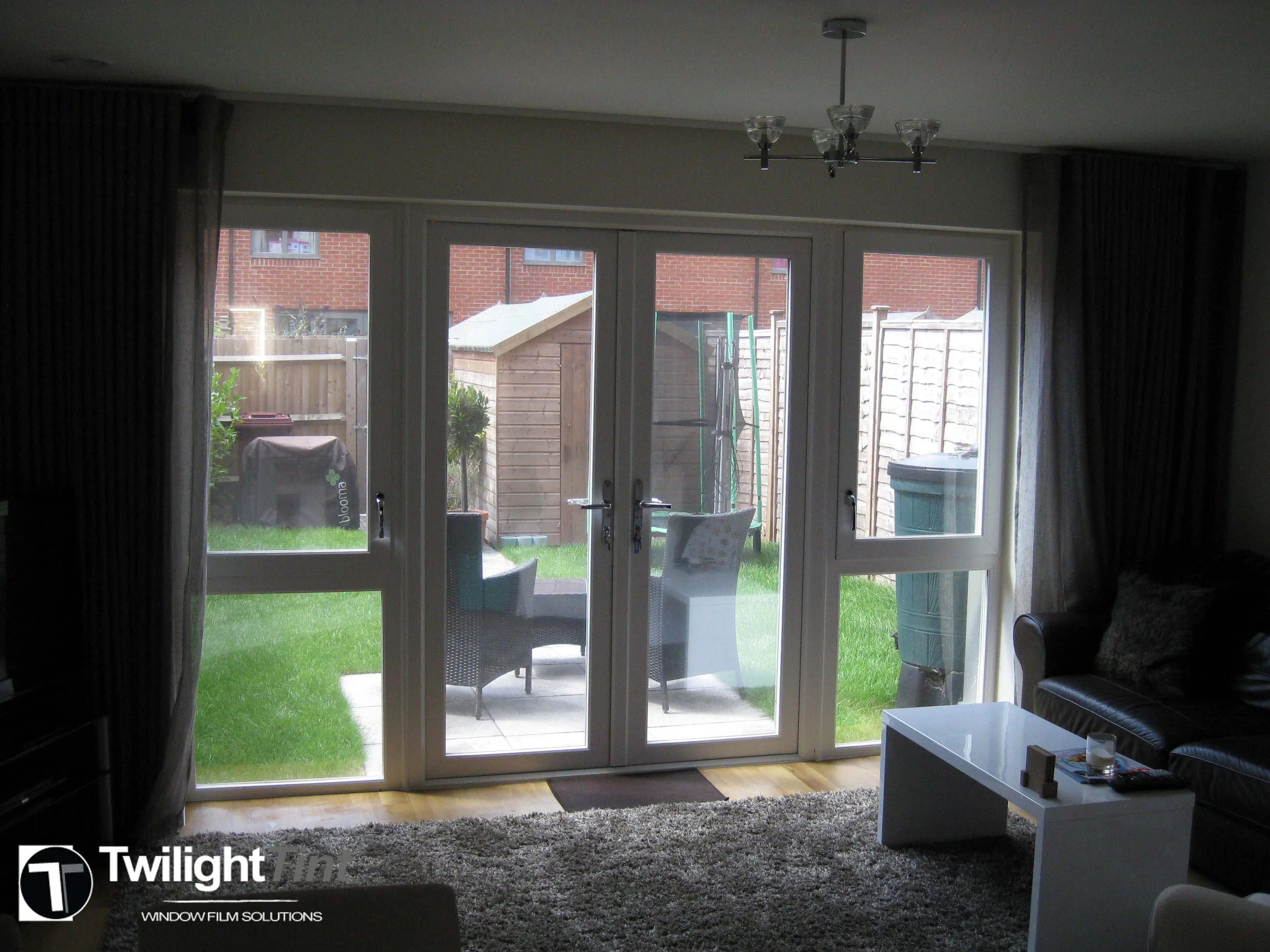
Window film is a thin, multi layered polyester material which is applied directly to glass surfaces. Modern window films are engineered with advanced technology to address specific concerns such as heat rejection, glare rejection, UV protection, privacy, and decorative purposes. Unlike traditional window coverings, film works by modifying how the glass interacts with light and heat without requiring mechanical parts, adjustment or manual intervention.
Traditional Blinds
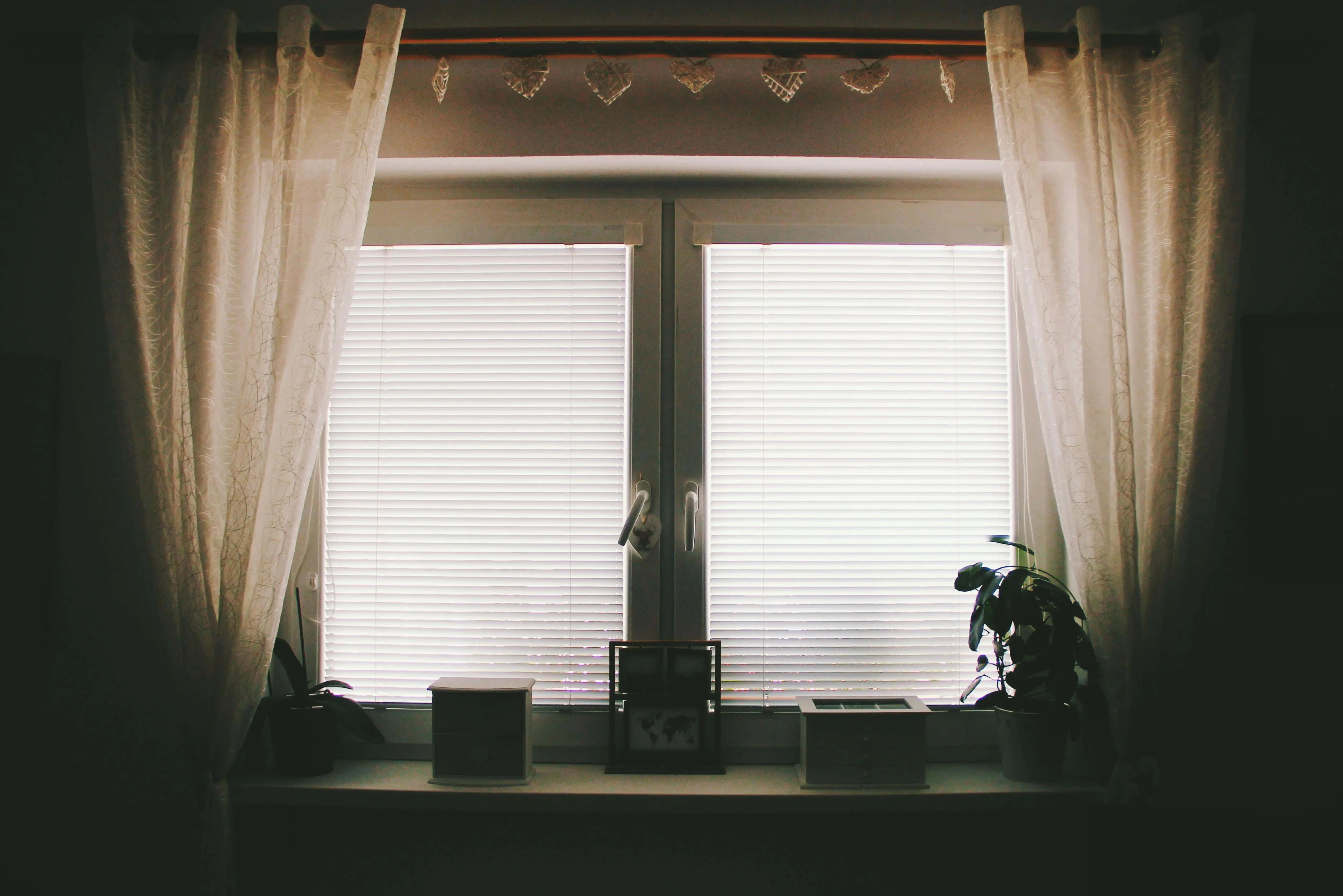
Blinds are a popular window covering consisting of many horizontal or vertical slats that can be rotated to adjust light and privacy levels. They come in various materials including wood blinds, aluminium, vinyl, and fabric. Blinds offer immediate light control through manual adjustment or, in the case of motorized blinds, remote operation.
Energy Efficiency: A Critical Comparison
How Window Film Enhances Energy Efficiency
One of the most compelling arguments for window film is its superior energy performance. Quality window tint can reject up to 78% of solar heat while still allowing natural light to enter. This significant reduction in heat gain directly translates to lower air conditioning cooling costs, particularly during summer months.
A case study conducted in Phoenix, Arizona showed that homes with professionally installed solar control window film reduced their summer cooling costs by 23% compared to identical homes without window film. This continuous, passive energy saving requires no adjustment or manual operation once installed.
Energy Performance of Blinds
While blinds can block direct sunlight when closed, they don't address the fundamental issue of heat transfer through glass. When blinds are open to preserve views or allow natural light, they provide minimal thermal protection. Wooden blinds offer slightly better insulation than metal varieties, but still fall short of the continuous performance window film provides.
Consider this comparison of energy efficiency factors:
|
Factor |
Window Film |
Traditional Blinds |
|
Heat rejection |
Rejects up to 78% of solar heat |
Minimal when open, moderate when closed |
|
Year-round performance |
Works 24/7 without adjustment |
Requires manual adjustment for effectiveness |
|
Light/heat balance |
Allows light while blocking heat |
Often must block light to block heat |
|
Winter insulation |
Some films provide improved R-value |
Provides some insulation when closed |
|
Energy bill impact |
Can reduce cooling costs by 15-30% |
Minimal impact unless consistently closed |
Privacy Solutions: Finding the Right Balance
How Privacy Window Film Works
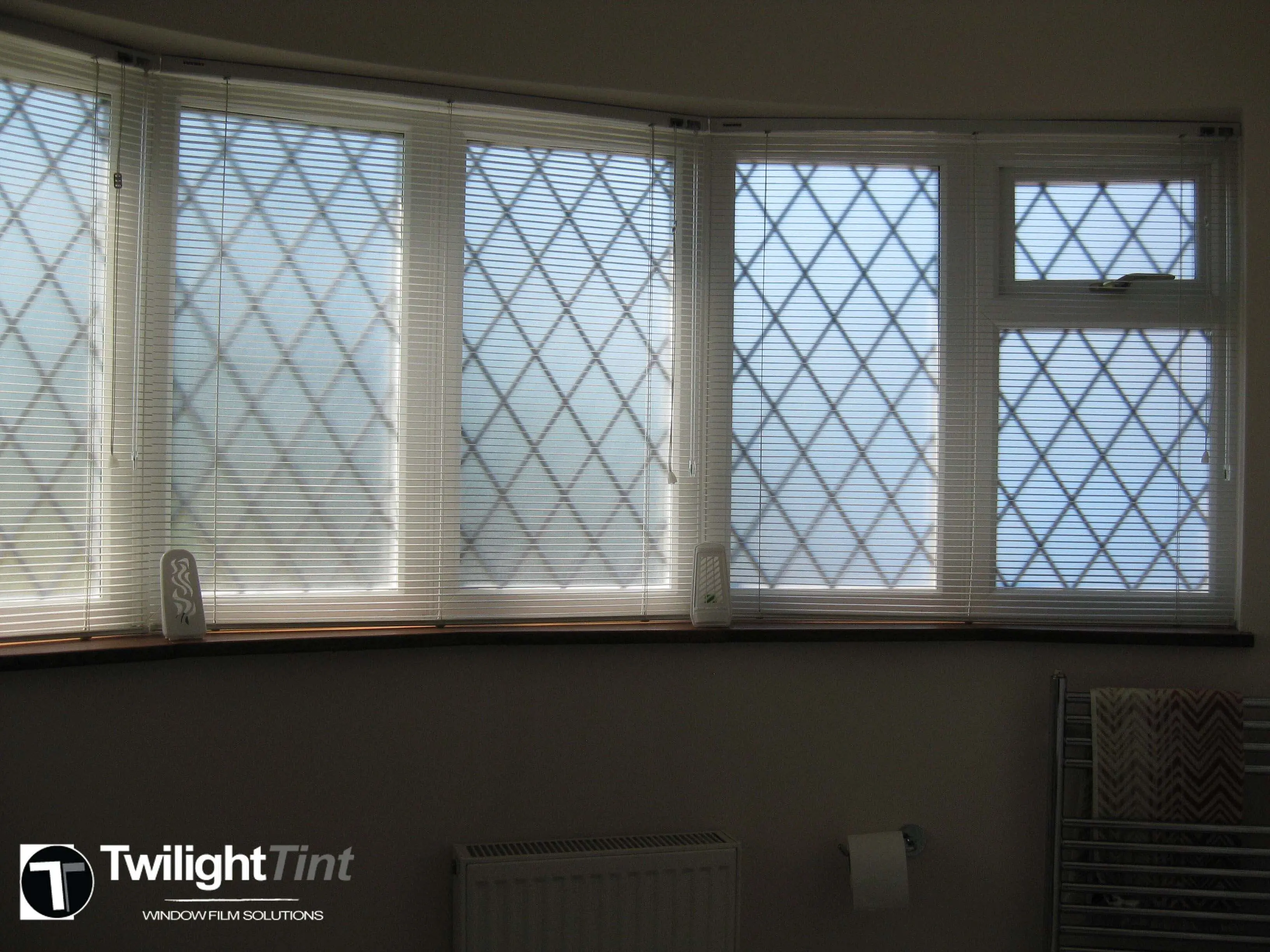
Privacy window film offers a unique solution to the privacy dilemma. During daylight hours, occupants can see out while preventing others from seeing in - all without sacrificing natural light or views. Window Films come in varying degrees of privacy:
- One-way mirror effect (reflective films)
- Frosted window film (diffuses light while blocking clear visibility)
- Decorative patterns (provides partial privacy with aesthetic appeal)
- Gradient opacity (transitions from more to less private)
Sarah Johnson, a homeowner in America, installed privacy window film throughout her ground-floor flat. "Before the film, I felt like I was living in a fishbowl. My choices were keeping blinds closed all day or having pedestrians look directly into my living room. Now I have natural light and privacy simultaneously."
Privacy Control with Blinds
Vertical or roller blinds offer excellent privacy control through manual adjustment. They can provide total privacy when fully closed, with the options for partial privacy by adjusting the slat angle. However, this privacy comes at the cost of your view and natural light.
For situations requiring complete privacy regardless of lighting conditions, blackout blinds provide a solution that window film alone may match depending on your glazing.
UV Protection and Fading Prevention
Window Film's Superior UV Blocking
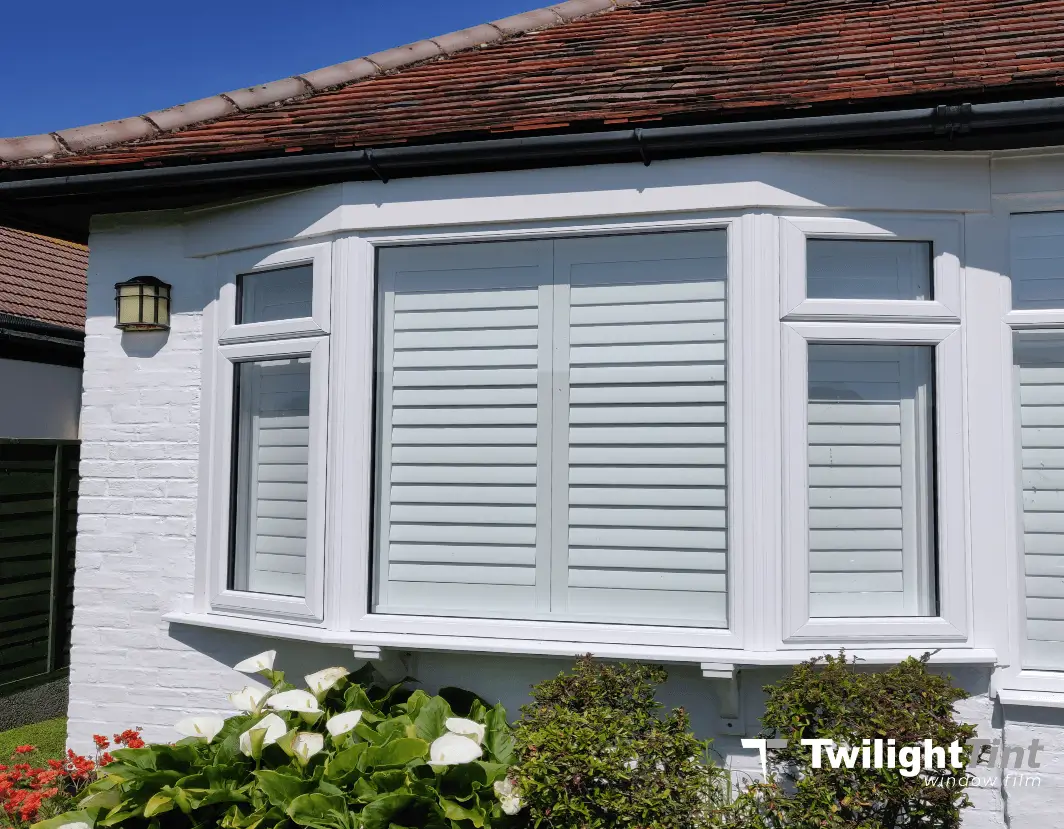
Perhaps one of the most overlooked benefits of window film is its ability to block UV rays - up to 99% of harmful ultraviolet radiation. This invisible protection helps prevent fading of:
- Furniture and upholstery
- Hardwood floors
- Artwork and photographs
- Rugs and textiles
A furniture shop keeper installed UV-protection window film in their showroom and tracked the difference between protected and unprotected display areas. After just one year, fabric samples in the unprotected area showed visible fading, while the protected samples maintained their original colours.
UV Protection from Blinds
While blinds can block direct sunlight, they only prevent UV damage when completely closed. Even partially open blinds allow streams of harmful UV rays to enter and potentially damage interior furnishings. For homes with significant investment in furnishings, artwork, or with large windows facing south or west, this consideration can be particularly important.
Aesthetics and View Preservation

The Invisible Advantage of Window Film
One of the biggest advantages of window film is its ability to work while remaining largely invisible. Clear solar control films provide benefits without significantly changing the appearance of your windows. Decorative film options can enhance aesthetics with patterns resembling etched or stained glass without permanent modification.
"We installed decorative window film with a subtle frosted pattern in our bathroom windows," explains Michael, a homeowner. "It provides complete privacy while creating beautiful light patterns when the sun shines through. It transformed the space without the bulk of blinds."
The Design Impact of Blinds
Window blinds make a definitive design statement in any room. They can complement interior design themes and add texture or colour to walls. However, they also inevitably alter the appearance of windows and can make smaller spaces feel more confined.
For historic homes with original woodwork around windows, blinds may cover architectural details or compete visually with period features. In contrast, window film preserves the original window appearance while adding modern performance.
Durability and Maintenance Requirements
The Low-Maintenance Appeal of Window Film
Once professionally installed, window film requires virtually no maintenance beyond normal window cleaning. Quality films from manufacturers like 3M window film can last 10-15 years with minimal care.
The maintenance comparison is striking:
- Window film needs only occasional window cleaning with non-abrasive cleaners
- Blinds require regular dusting, occasional deep cleaning, and have moving parts that eventually wear out or break
The Maintenance Reality of Blinds
Blinds collect dust between slats, requiring regular cleaning to maintain appearance and prevent allergen build-up. Cords tangle, mechanisms jam, and slats can bend or break, particularly in homes with children or pets. The longevity of blinds varies significantly based on quality and use, but typically ranges from 2-8 years before replacement becomes necessary.
Installation Considerations
Professional Window Film Installation
While DIY window film kits exist, professional installation ensures proper adhesion, no bubbles, and optimal performance. Most quality window film manufacturers only honour warranties when installed by professionals.
The installation process typically includes:
- Thorough cleaning of the glass surface
- Precise measuring and cutting of film
- Application with specialized tools to prevent bubbles
- Curing time (typically 30 days for complete adhesion)
Blind Installation Options
Window blinds installation complexity varies based on type. While some homeowners can install simple blinds themselves, custom sizes and motorized blinds often require professional installation. The primary advantage of blinds is immediate functionality after installation, with no curing time required.
Cost Analysis: Initial Investment vs. Long-term Value
Window Film Costs and Returns
The initial investment for quality window film is typically higher than basic blinds, ranging from £20-40 per square meter installed, depending on the type of film and complexity of the windows. However, the long-term value often favours window film when considering:
- Reduced energy bills (potential savings of 5-30% on cooling costs)
- Extended furniture life (avoiding premature replacement due to sun damage)
- Elimination of replacement costs (longer lifespan than most blinds)
A financial analysis conducted for a 2,500 square foot home in Charlotte America a showed that the energy savings from quality solar control window film paid for the installation within 3-5 years, after which the homeowners continued saving approximately £300 annually on cooling costs.
Blind Costs and Considerations
Window blinds vary dramatically in price based on material, size, and features:
- Basic vinyl blinds: £15-45 per window
- Mid-range wood blinds: £35-100 per window
- Premium motorized blinds: £300-1000+ per window
While the entry-level cost is lower, blinds typically require replacement more frequently than quality window film. Additionally, they don't offer the energy savings or furniture fading protection benefits that can offset the cost of window film over time.
Specific Applications and Solutions
Home Office Considerations
For a home office, glare reduction is often a primary concern. Window film can reduce glare by up to 80% while maintaining views and natural light. This creates a very comfortable working environment without the need to close blinds and rely on artificial lighting.
A remote software developer installed anti-glare window film in his home office and reported, "Before the film, I had to keep my blinds closed most of the day due to glare on my computer screen, which meant working with artificial light on. Now I enjoy natural light all day without any screen glare issues."
Commercial Window Applications
For commercial office window environments, the decision between window film and blinds often favours film for several reasons:
- Lower maintenance costs across multiple windows
- Consistent appearance from outside the building
- Energy savings at scale
- Reduced HVAC strain in large spaces
- Professional appearance without the visual clutter of blinds
Many businesses opt for dual solutions, using window film for solar control and adding blinds only in specific areas requiring variable privacy or complete blackout capabilities.
Special Circumstances
For homes with large or unusual window configurations, custom solutions may be necessary:
- Skylights: Window film is often better than blinds for skylights, providing heat and UV protection without complex mechanical systems
- Floor-to-ceiling windows: Film preserves views and open feeling while improving energy performance
- Historic windows: Film can improve performance without altering appearance
- Sunrooms: Often benefit from combination approaches, using film for baseline protection and selective blinds for occasional total light control
Making Your Decision: Which Option is Best For Your Home or Office?

When Window Film is the Best Choice
Window film is your best choice when:
- Maintaining views and natural light is a priority
- You want a low-maintenance solution
- Energy efficiency is a primary concern
- Furniture and floor protection from UV is important
- You prefer a minimal aesthetic impact
- You have hard-to-reach windows
- You want a one-time installation with long-term benefits
When Blinds are the Better Option
Blinds are a popular and better choice when:
- You need variable light control throughout the day
- Complete blackout capabilities are required when black out window film is not suitable for the glazing
- You want to make a design statement with your window coverings
- You prefer the ability to completely expose windows occasionally
- Budget constraints limit initial investment
- Rental agreements restrict permanent modifications
Bare in mind, window film can be removed.
Combining Solutions for Optimal Results
Many homeowners or business owners find that the best approach is a strategic combination of window film and blinds. For example:
- Install UV-protective film on all windows for baseline protection
- Add blinds only in bedrooms or media rooms where occasional total darkness is needed and blackout window film is unsuitable
- Use decorative film in bathroom or entry areas where permanent privacy is required
- Apply solar control film on sun-exposed windows and supplement with blinds for aesthetic purposes
Frequently Asked Questions About Window Film and Blinds
How long does window film typically last?
Quality internal window film can last 10-15 years with proper care, while blinds often need replacement within 5-7 years depending on use and quality.
Can window film be removed if I change my mind?
Yes, window film can be professionally removed without damaging the glass. This makes it a viable option even for rental properties.
Does privacy window film work at night?
Most privacy window film provides privacy during daylight hours, but at night when interior lights are on, additional window coverings will be needed for complete privacy.
Will window film make my rooms too dark?
No, modern window films come in various light transmission levels. You can choose options that block heat while still allowing 50-70% of visible light through. Our customers generally refer to having window film as similar experience of having a net curtain.
Can window film be installed over textured or leaded glass?
Some window films work well on textured glass, but it depends on the specific texture. You will need to consult with a professional window film installer.
Do blinds really save energy?
Blinds can provide some energy benefits when properly used, but require active management (closing during hot periods) to be effective. Window film works passively and continuously.
Conclusion: Finding Your Ideal Window Covering Solution
When deciding between window film and blinds, consider your specific needs regarding energy efficiency, privacy, aesthetics, maintenance, and budget. For many homeowners or business owners, the ideal solution incorporates elements of both - using window film as a foundation for continuous protection and energy savings, while adding blinds strategically where variable light control is essential.
By understanding the unique benefits of window film and the traditional advantages of blinds, you can make an informed decision that enhances your comfort, protects your interior, and potentially reduces your energy bills for years to come.
Whether you choose the modern approach of window film, the traditional reliability of blinds, or a thoughtful combination of both, the right window treatment can transform how you experience and enjoy your living spaces.
Table of content
- Explore the pros and cons of window film vs. blinds for your home or office. Discover how each option affects light, privacy, and energy efficiency.
- Understanding Window Film versus Traditional Blinds
- Energy Efficiency: A Critical Comparison
- Privacy Solutions: Finding the Right Balance
- UV Protection and Fading Prevention
- Aesthetics and View Preservation
- Durability and Maintenance Requirements
- Installation Considerations
- Cost Analysis: Initial Investment vs. Long-term Value
- Specific Applications and Solutions
- Making Your Decision: Which Option is Best For Your Home or Office?
- Frequently Asked Questions About Window Film and Blinds
- Conclusion: Finding Your Ideal Window Covering Solution


Join us on our journey as we transform your glazing and help you achieve its full potential.
Feel free to get in touch with us via our chat widget
@ TwilightTint Ltd 2026. All right reserved.
X


Youtube
